


 by
by 
Foreign Buyer’s Guide
The Dominican Republic is not just a tropical paradise with stunning beaches and vibrant culture—it’s also a thriving real estate market that welcomes international investors. For those wondering, “Can foreigners buy property in the Dominican Republic?” the answer is a resounding yes.
Foreigners enjoy the same property ownership rights as Dominican citizens, with no restrictions on land ownership, condos, or villas. Whether you’re looking for a vacation home in Punta Cana, a rental investment property, or a retirement villa in Cap Cana, the Dominican Republic offers affordability, legal clarity, and strong ROI potential.
This guide explores everything you need to know about the process, legalities, costs, and safety considerations for purchasing property as a non-resident.
Table of Contents
Why Should Foreign Investors Consider Buying Property in the Dominican Republic?
1. Dominican Republic Real Estate Market Growth Trends
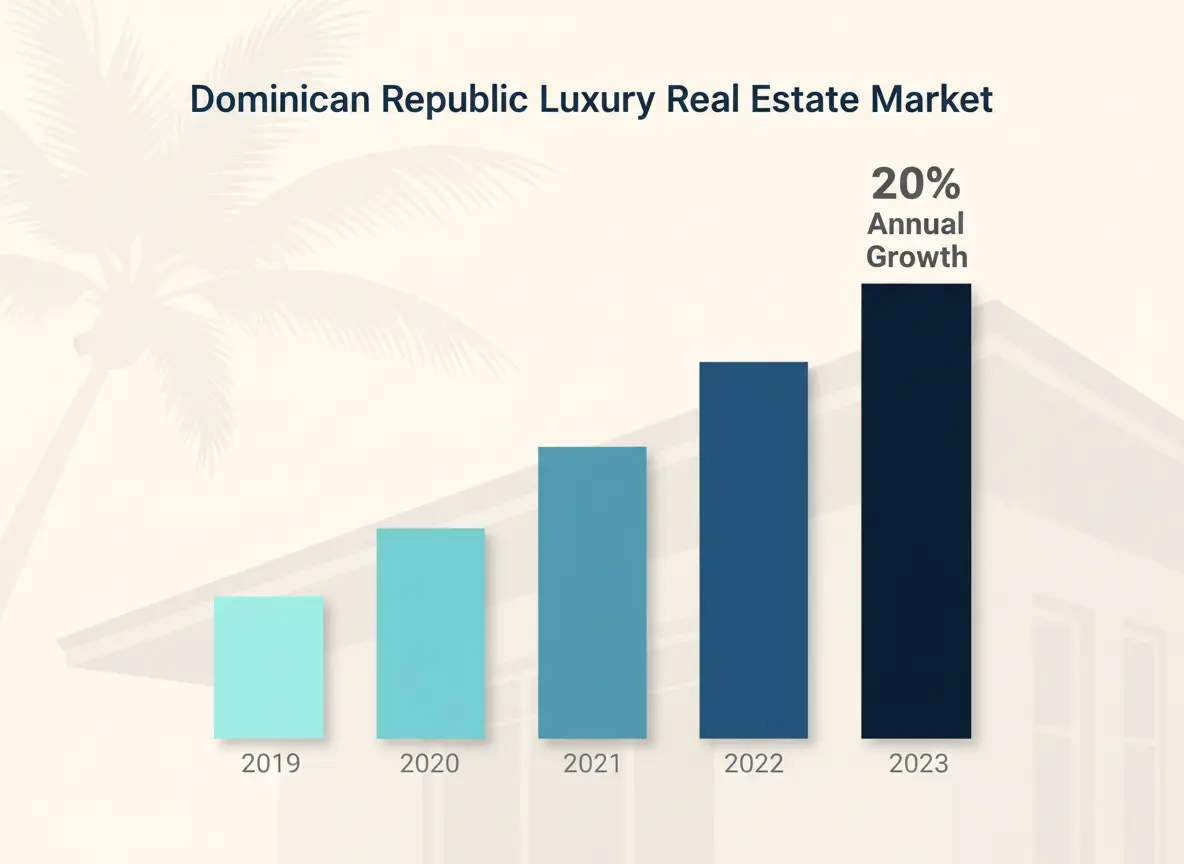
The Dominican Republic’s real estate market is expanding rapidly, driven by increasing tourism and foreign investment. From 2020 to 2023, the country experienced a 20% annual growth in real estate transactions, fueled by heightened interest from international buyers—particularly from the United States and Canada.
According to the Dominican Ministry of Tourism (MITUR), tourism infrastructure in Punta Cana and Cap Cana continues to be a top priority for government investment, ensuring long-term stability and growth.
From luxury villas to affordable condos, there’s something for every buyer. The growing demand for short-term vacation rentals also makes it a hotspot for investors looking for steady income streams. Learn more about maximizing ROI on Punta Cana real estate investment.
2. Tax Incentives (CONFOTUR Law)
One of the biggest advantages for North American buyers is the government-backed CONFOTUR tax incentives for investors. This law exempts property buyers from:
- Transfer taxes (3% waiver)
- Annual property taxes (IPI) for 15 years
These incentives are designed to promote economic growth and enhance the country’s global appeal as a top-tier destination for property investment. Foreign investment is protected under the laws overseen by the CEI-RD (Export and Investment Center).
3. High ROI Potential
Investing in rental properties can yield significant returns, especially in tourist hotspots like Punta Cana, Santo Domingo, and Puerto Plata. Short-term vacation rentals are particularly lucrative, with high occupancy rates during peak seasons.
Many investors also benefit from long-term property appreciation. For a detailed breakdown of rental income projections and HOA fees, read our Punta Cana Condo Investment 2026 ROI & Fees Guide.
Legal Guidelines for Foreigners Buying Real Estate in the Dominican Republic
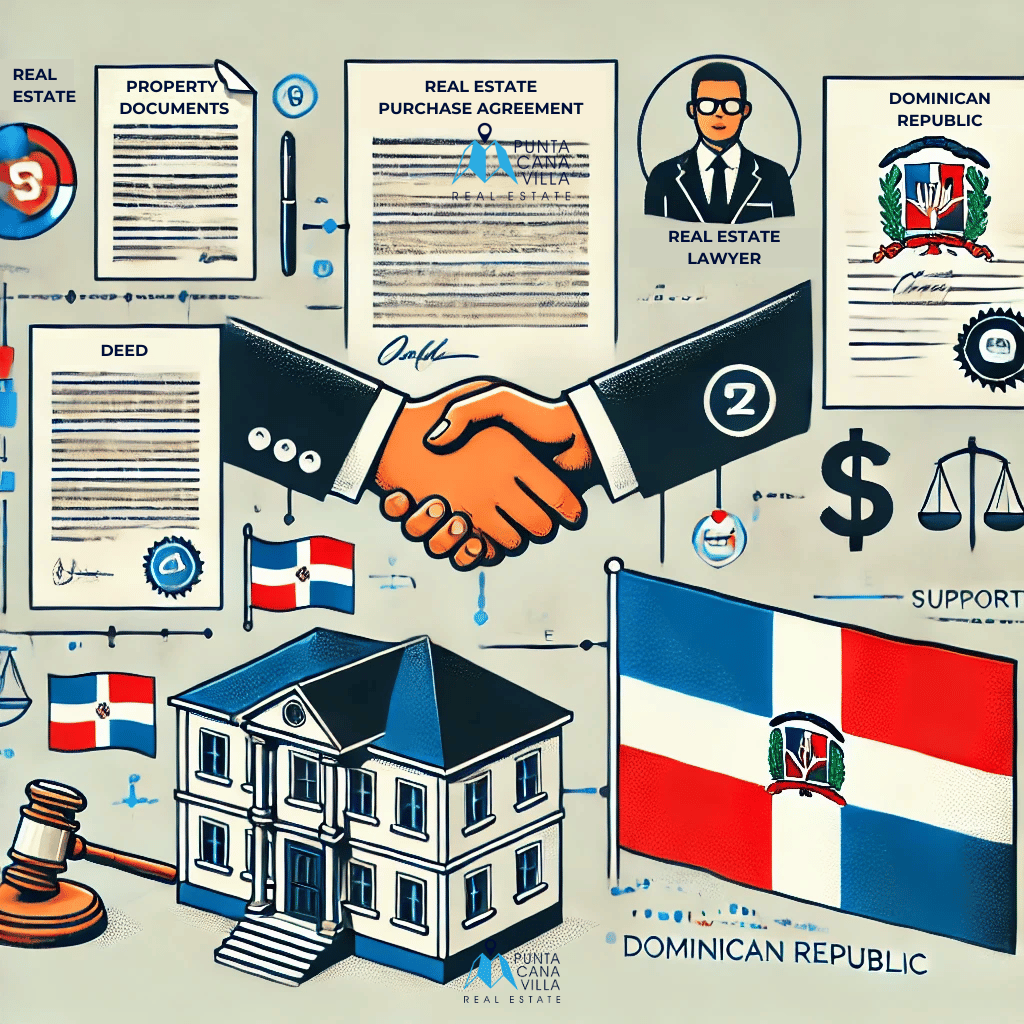
Yes, foreigners enjoy the same property ownership rights as Dominican citizens. The process is transparent and straightforward, provided you follow the legal requirements. Here’s a step-by-step guide:
1. Find a Reliable Real Estate Agent
Work with an experienced local agent who knows the market and can help you identify properties that fit your needs. A reputable agent will also assist in navigating the buying process, ensuring you avoid common pitfalls.
2. Conduct Due Diligence
Hire a licensed real estate attorney in the Dominican Republic to perform a title search and ensure the property is free from encumbrances, liens, or disputes. This step is crucial in safeguarding your investment and avoiding potential legal complications.
Your attorney will verify the “Certificado de Título” (Title Certificate) and confirm the seller has the legal right to transfer the property. Never skip this step to save on costs—it is vital to have a clear understanding of closing costs and legal fees when buying in the DR.
3. Sign a Purchase Agreement
Once you’ve found your dream property, you’ll sign a “Promesa de Venta” (Promise of Sale) contract outlining the terms of the sale. This document is legally binding and typically includes:
- Payment terms and deposit schedule
- Delivery dates (for pre-construction)
- What is included in the unit (finishes, appliances, parking, storage)
- Refund and cancellation clauses
4. Register the Property
Your attorney will register the property with the Title Registry Office (Registro de Títulos). This step officially transfers ownership to you and ensures that your ownership is legally recognized and protected.
Costs and Financing Options in Dominican Republic
Upfront Costs
- Transfer Tax: 3% of the property’s value (unless exempted by CONFOTUR). For example, if you purchase a property valued at $150,000, the transfer tax would amount to $4,500.
- Legal Fees: Usually 1-1.5% of the property’s value.
- Additional Fees: Buyers should also be prepared for notarization fees and minor administrative costs associated with the transaction.
For a complete breakdown, read our guide on understanding closing costs and legal fees when buying in the DR.
Financing Options in the Dominican Republic
While many foreign buyers opt to pay cash, local banks and private lenders do offer mortgages. However, terms and interest rates may vary. Generally, interest rates for foreign buyers are slightly higher than those for local residents, reflecting the added risk for lenders.
For instance:
- Scotiabank offers mortgage rates starting at 6.5% for foreign buyers
- Banco Popular Dominicano provides rates in the range of 7-8%, depending on the buyer’s profile
Loan terms can range from 5 to 25 years, depending on the financial institution. Some banks even offer specific programs to attract international clients, including options to finance up to 70% of the property’s value.
Learn more about mortgage pre-approval in Punta Cana and opening a bank account in Punta Cana for non-residents.
Top Locations for Real Estate Investment in the Dominican Republic
1. Punta Cana
Known for its pristine beaches and all-inclusive resorts, Punta Cana is often considered the best place to buy property in the Dominican Republic. Punta Cana real estate offers a range of options from condos to luxury villas, catering to diverse investment goals and lifestyles.
For those searching for homes for sale in Punta Cana, the area’s international airport and world-class amenities make it a top choice for both investors and retirees. Explore our Punta Cana Real Estate Neighborhoods Guide to find the perfect location.
2. Santo Domingo
The capital city combines modern amenities with historical charm, making it a great option for urban living. Santo Domingo’s vibrant culture, excellent dining scene, and shopping opportunities add to its appeal as a property investment hub.
3. Puerto Plata
This northern gem is perfect for those seeking beachfront properties at competitive prices. Puerto Plata’s growing popularity among tourists ensures a steady demand for rental properties, making it an ideal location for investment.
4. La Romana
Known for its upscale resorts and golf courses, La Romana attracts high-end buyers looking for luxury and exclusivity. The area’s tranquil setting and proximity to pristine beaches further enhance its desirability.
5. Las Terrenas
Las Terrenas, located on the Samaná Peninsula, offers a unique blend of European influence and tropical charm. With its stunning beaches, vibrant expatriate community, and boutique-style developments, it’s an emerging hotspot for those seeking a more laid-back lifestyle.
Tips for a Smooth Buying Experience

- Work with Reputable Professionals: Always engage licensed real estate agents and attorneys who are familiar with local laws and practices.
- Understand Local Laws: Familiarize yourself with the tax obligations and property ownership rules to avoid surprises down the line. Read our Real Estate Property Tax (IPI) in the Dominican Republic Guide.
- Budget for Additional Costs: Factor in maintenance fees, property taxes, and other ongoing expenses that come with ownership.
- Visit the Property: If possible, inspect the property in person before finalizing the purchase to ensure it meets your expectations.
- Consider Future Development Plans: Research the area for upcoming projects or infrastructure developments that could impact your property’s value.
Safety and Legal FAQs for Buying Property in the DR
Can foreigners buy property in the Dominican Republic?
Yes. Foreigners have the same rights as Dominican citizens when it comes to property ownership. There are no restrictions on foreign buyers, and you do not need to be a resident to own land or condos.
What are the risks of buying property in the Dominican Republic?
The primary risks involve unclear titles, liens, or purchasing from developers without proper permits. These risks are easily mitigated by hiring a licensed real estate attorney to perform due diligence.
What is the CONFOTUR law and how does it benefit property buyers?
CONFOTUR is a government incentive designed to encourage tourism investment. It offers government-backed CONFOTUR tax incentives for investors, including a 15-year exemption from property tax (IPI) and a 3% transfer tax waiver.
Do you need a lawyer to buy property in the DR?
Absolutely. A lawyer is essential for verifying the “Certificado de Título” (Title Certificate), checking for liens, and ensuring the seller has the legal right to transfer the property. Never skip this step to save on costs.
Is it safe to invest in pre-construction developments in Punta Cana?
Yes, provided the developer has a proven track record and all necessary environmental and building permits. We recommend focusing on projects in established areas like Cap Cana or Vista Cana, where infrastructure is guaranteed. Learn more in our Guide to Cap Cana Real Estate Investing.
Final Thoughts
Buying property in the Dominican Republic as a foreigner is not only allowed—it can be a smart lifestyle and investment decision when done correctly. From Punta Cana and Cap Cana to Santo Domingo and Las Terrenas, the country offers a wide range of opportunities for vacation homes, rental income, and long-term appreciation.
The key to a successful purchase is simple:
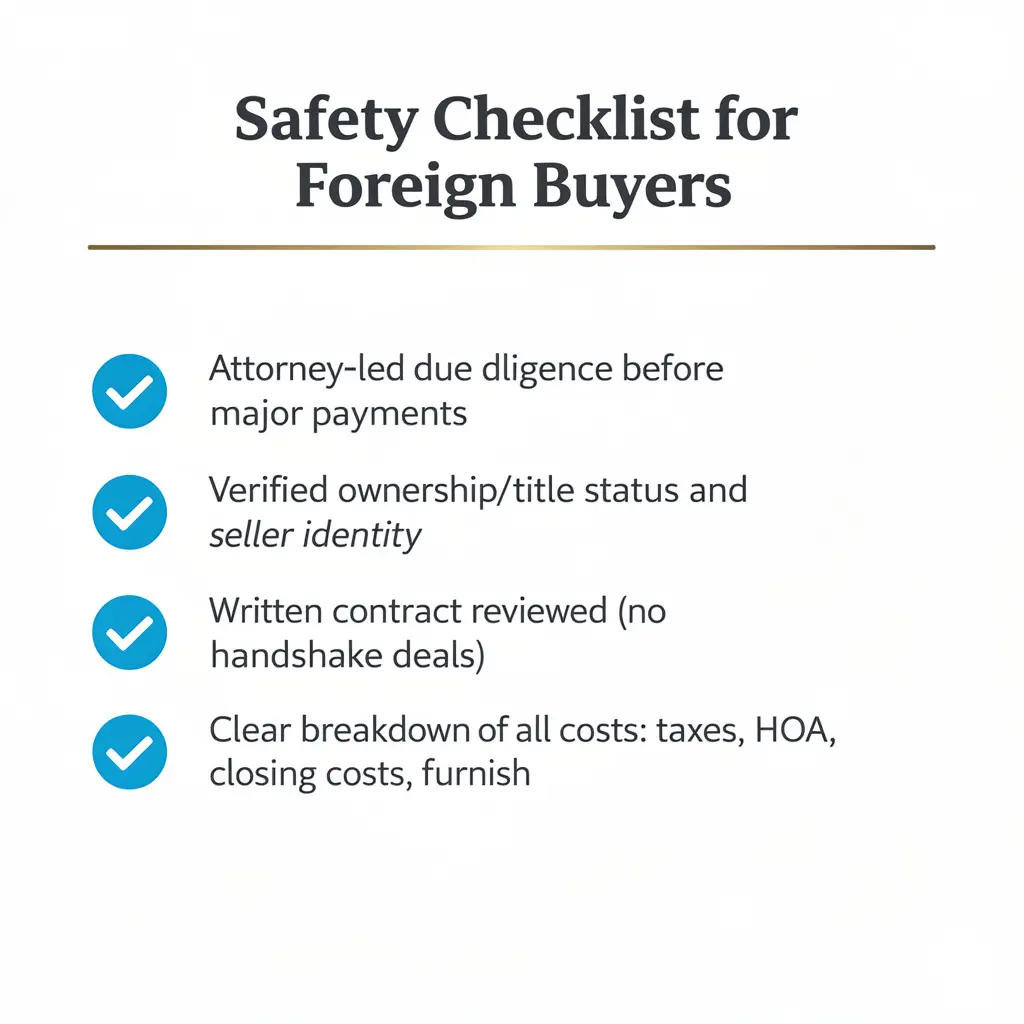
- Use a reputable agent and a qualified attorney
- Verify title and legal status before major payments
- Understand all costs (taxes, HOA, closing, furnishing, management)
- Choose locations with strong demand and proven infrastructure
- If buying pre-construction, prioritize projects with permits and a track record
If you’d like, we can help you narrow down the best opportunities based on your goals—whether that’s pre-construction condos for ROI or a luxury villa for a second home lifestyle.
For deeper guidance, you can also explore:




Join The Discussion